Until recently the most widely used "warm season grasses" were only available as sod. Now One Seed Company produces zoysia grasses that is available as sod and seed.
Most home buyers focus on the ‘house’ itself. The finished (sodded) look in the front of the house is all that may be required by lenders. Many builders seed the back and side yards with quick-germinating, cheap, temporary grasses. These grasses give a quick green cover, but this is only a temporary condition. Why waste your time and money start with the best and stick to it.
The Solution
Finish your back yard with the same turfgrass variety, care and attention that went into the front yard. A completed ‘Lifetime Backyard Lawn’ will do a number of things:
* Control Erosion - Prevent the back yard from washing into your front yard, the neighbor's yard and nearby creeks or streams.
* Eliminate or at least minimize muddy conditions and reduce mud being tracked into the house by kids and pets (what use is a back yard if you and your family cannot enjoy it for play, pets and cookouts)
* Give the landscape a finished look. – Bring the back yard landscape up to front yard standards.
* Completed lawns are cheaper to maintain.
* Simplifies lawn care because having the same grass in the front and back lawn allows for the implementation of a single lawn care maintenance program.
Now - having the same warm season grass in the front and back yard landscape
is both practical and most importantly economical!
Super-Sod is the first turfgrass sod production company to produce for its customers grasses that are available as both sod and seed. Seeding can be less expensive than sodding as part of the solution to a completed and affordable landscape.
Combinations of Super-Sod - Sod and Seed - available today include the following:
* Zenith® Zoysiagrass sod grass and Zenith® Zoysia grass seed


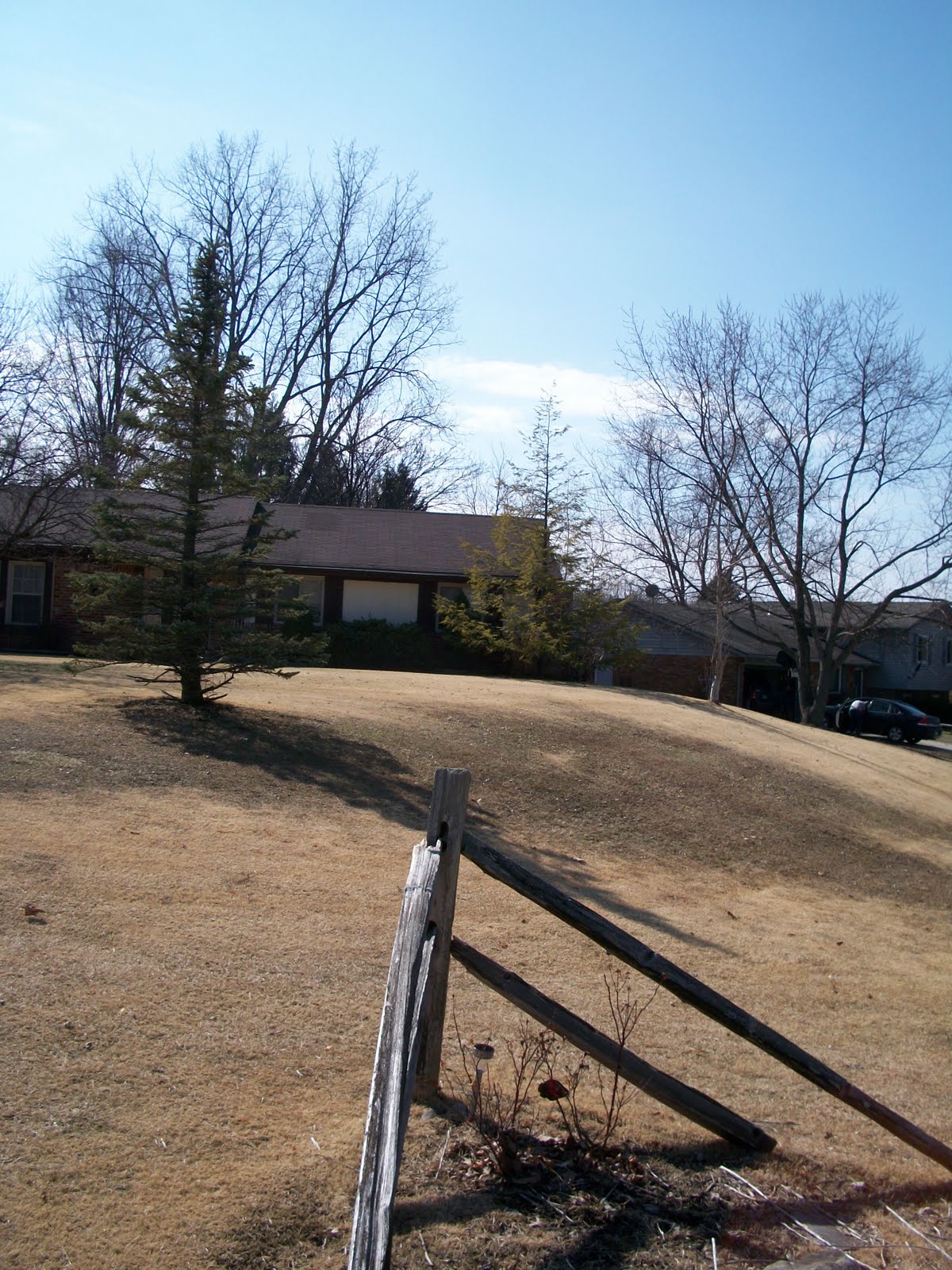


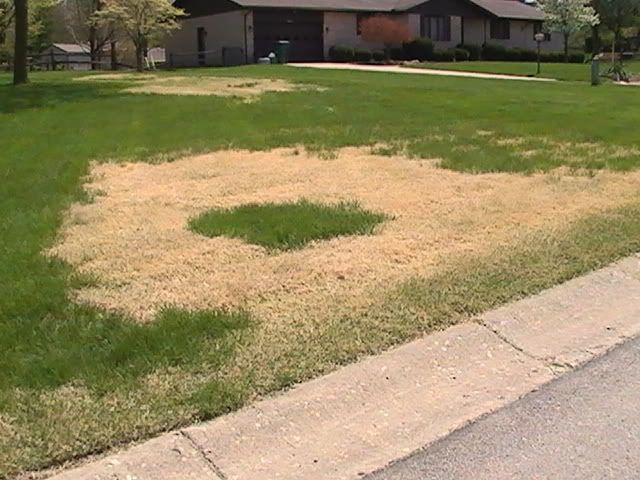
 Here you can see the Zoysia spider on target to take over this corner of the driveway.


 Red Fox chooses Zoysia Grass in Beavercreek!